_画板-111.png)
The Piercing Boom: Why ‘Nose-Stud Friendly’ Patches Are the Untapped Niche of Spring Break
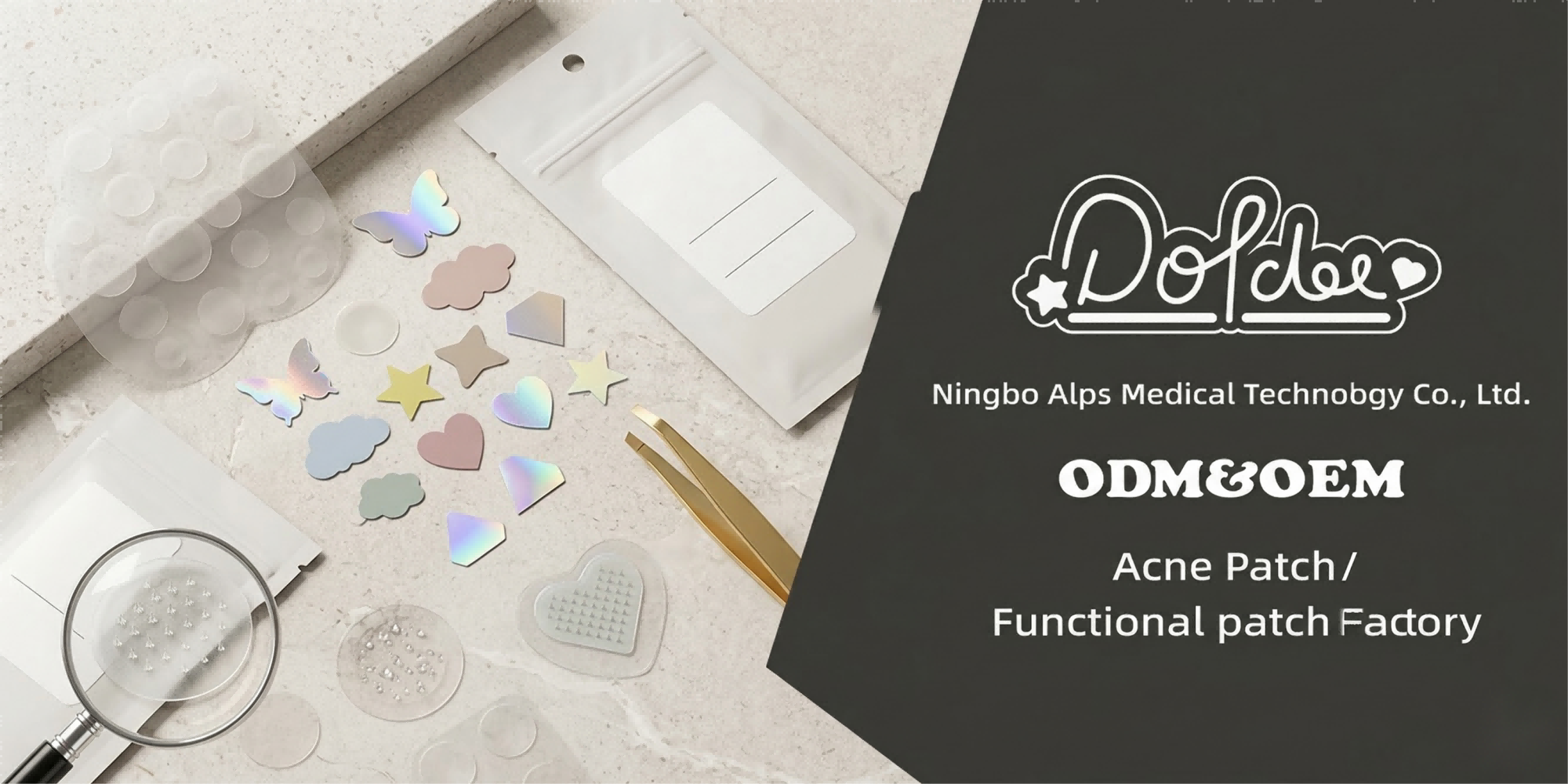
The Piercing Boom: Why ‘Nose-Stud Friendly’ Patches Are the Untapped Niche of Spring Break
Spring Break isn’t just about travel and festivities—it’s peak season for spontaneous body piercings. For skincare brands, this creates a massive, overlooked revenue gap. Consumers are returning from holidays with fresh nose studs and cartilage piercings, only to face irritation bumps that standard circular patches cannot treat.
Generic hydrocolloid patches require users to remove their jewelry—a risky move that can close the piercing channel or introduce infection. Brands that ignore this are leaving money on the table.
The Opportunity: A specialized “Slit-Design” patch engineered to fit around the jewelry post. It’s a low-barrier, high-margin product extension that solves a urgent consumer pain point.
The Market Gap: Shape Matters More Than You Think
The current acne patch market is saturated with “one-shape-fits-all” solutions. This fails the piercing demographic for three reasons:
- Geometry Mismatch: A standard 10mm or 12mm circle creates a tenting effect when placed over a stud, reducing adhesion and absorption.
- Hygiene Risks: Removing jewelry to apply a patch irritates the fistula (piercing channel), worsening the bump.
- Wasted Inventory: Consumers buy standard patches, find they don’t work, and abandon the brand.
Brands that launch a “Jewelry-Friendly” line now capture the Gen Z and Millennial market actively searching for piercing aftercare solutions—especially during the post-holiday recovery phase.
Technical Deep Dive: Engineering the “Slit”
Creating a piercing-friendly patch isn’t just about cutting a hole in a standard patch. It requires precision engineering to ensure the product functions under unique stress conditions.
1. The Radial Slit Design
The defining feature is a relief cut running from the center to the edge. This “C-shape” allows the user to slide the patch underneath the stud backing without removing the jewelry. The engineering challenge is maintaining structural integrity—if the slit is too wide, the flap lifts; too narrow, and the patch tears during application.
2. Material Thickness & Adhesion
Piercing bumps are raised, sensitive, and often located in high-movement areas (nose, ear cartilage). A thicker hydrocolloid matrix—around 600-800 microns—is essential to cushion the area and absorb lymph fluid. Additionally, the adhesive must withstand the oils and saline solutions used in piercing aftercare.
3. Active Formulation Options
Unlike standard acne, piercing bumps are often hypertrophic scars (irritation tissue), not bacterial infections. This means your formulation strategy should differ:
- Basic Line: Plain Hydrocolloid for mechanical protection and fluid absorption.
- Premium Line: Infused with Centella Asiatica (Cica) or Niacinamide to accelerate barrier repair without clogging the fistula.
Why Most Factories Won’t Touch This Niche
Here’s the catch: custom shapes usually mean massive upfront investment.
Most OEM factories operate on legacy models. They have die-molds for circles, squares, and stars. A custom “nose-stud slit” design requires new tooling, minimum order quantities (MOQs) often exceeding 50,000 units, and long lead times. For a brand testing a new niche, this is a non-starter.
This is where agile manufacturing changes the game.
| Feature | Standard Supplier | DOTDOT Manufacturing |
|---|---|---|
| MOQ for Custom Shapes | 50,000 – 100,000 units | 1,000 units |
| Tooling/Mold Fees | $2,000 – $5,000 per design | Waived (Existing Library) |
| Prototyping Lead Time | 4-6 Weeks | 7 Days |
| Material Flexibility | Limited to stock hydrocolloid | Biodegradable & Custom Blends Available |
| Certification | Varies (Often GMP only) | FDA Registered & ISO 13485 Certified |
With lower barriers to entry, you can test the “Piercing Patch” niche with minimal capital risk. If the market responds, you scale. If not, you pivot. This is the speed modern brands need to stay relevant.
Customization Angle: From Clinical to Cool
Piercing clientele care about aesthetics. A clinical-looking patch can feel like a “bandage,” but a stylish patch becomes an accessory. DOTDOT offers several white-label customization paths:
- Inclusive Skin Tones: Offer a palette of 5-8 shades rather than standard “clear” or “beige.” This targets the BIPOC market often ignored by major patch brands.
- Statement Finishes: Holographic or matte black finishes turn the treatment patch into a fashion statement, aligning with festival and alternative subcultures.
- Travel-Friendly Packaging: Pocket-sized tins with mirrors appeal to the Spring Break demographic. We can produce custom-printed tins at low MOQs.
Sourcing Checklist for Procurement Managers
When evaluating a supplier for piercing-specific patches, ask these four questions to avoid quality issues:
1. What is your slit tolerance?
A poorly cut slit will fray or tear. Ask for physical samples (not just renders) to test if the edges remain sealed after 8 hours of wear.
2. Is the facility ISO 13485 certified?
Piercing products border on wound care. Manufacturing in a medical-grade facility (ISO 13485) protects your brand from liability and regulatory flags.
3. Can you provide biodegradable options?
Sustainability is a key differentiator. Hydrocolloid patches are traditionally plastic-based. DOTDOT offers biodegradable alternatives that align with eco-conscious branding.
4. What is the realistic shipping timeline?
Many suppliers quote “ex-factory” dates but don’t account for logistics delays. Work with a partner who offers transparent DDP (Delivered Duty Paid) shipping options to your warehouse or 3PL.
FAQ: Common Questions from Brand Owners
Q: Can we use Salicylic Acid in piercing patches?
A: We advise against it. Piercing bumps are typically irritation-induced, not acne. Salicylic Acid can over-dry the area and worsen scarring. We recommend Cica, Aloe, or plain hydrocolloid.
Q: Do we need to pay for new molds for the “slit” shape?
A: Not with DOTDOT. We have existing die-cuts for nose-stud and cartilage-friendly shapes in our library, eliminating tooling fees for standard designs.
Q: What is the MOQ to start a private label piercing patch line?
A: We can start with as few as 1,000 units per design, allowing you to test the market without overcommitting inventory budget.
Q: How fast can we receive samples?
A: Our rapid prototyping service delivers custom samples within 7 business days, so you can validate the fit and finish before mass production.
Next Steps
The piercing niche is open ground. Brands that move quickly can establish dominance before the next holiday rush. If you’re ready to explore “Nose-Stud Friendly” patches, we’re ready to manufacture them.
DOTDOT is a premier B2B Acne Patch Manufacturer specializing in low-MOQ, rapid-turnaround custom hydrocolloid solutions. FDA Registered. ISO 13485 Certified.


Ready to build your brand?
Leave your project details below, and our manufacturing experts will get back to you with a custom quote within 24 hours.